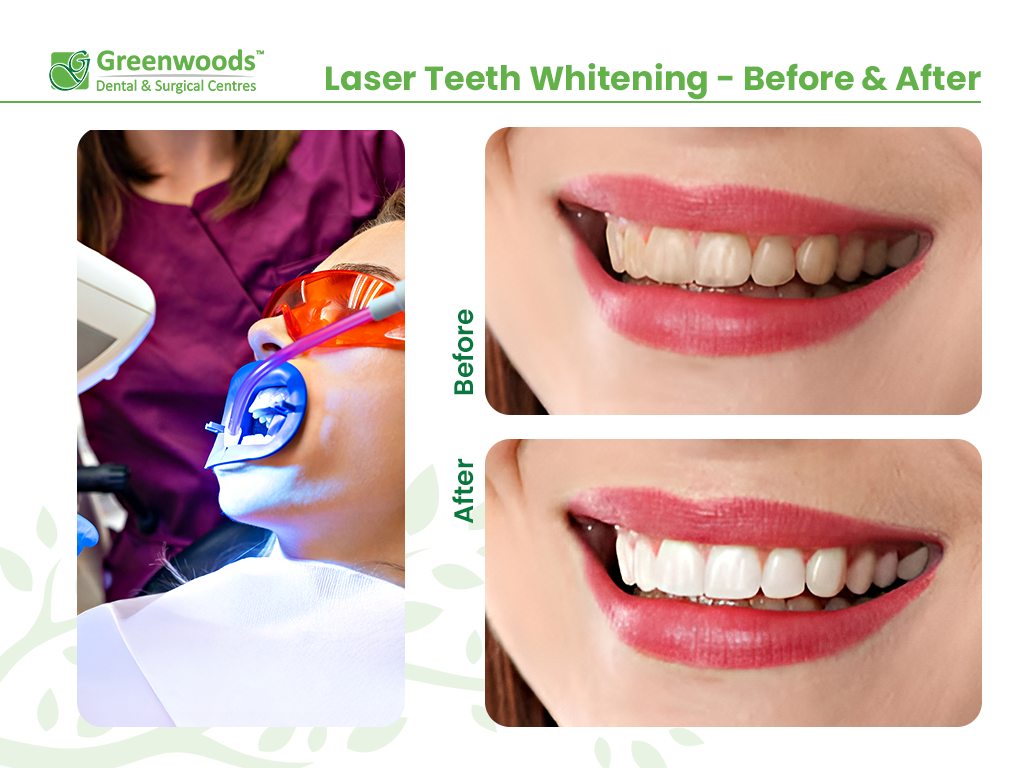
Leading 6 Negative Effects Of Teeth Lightening And Solutions If you have dental fillings, crowns, or veneers, these oral repairs will certainly not bleach like all-natural teeth, bring about an irregular smile. The two side effects that take place frequently with teeth bleaching are a short-term increase in tooth sensitivity and mild irritability of the soft cells of the mouth, specifically the periodontals. Tooth sensitivity commonly happens during onset of the whitening therapy. Cells irritation most typically results from an Peroxide Free Whitening ill-fitting mouth piece tray instead of the tooth-bleaching agent. Both of these problems typically are short-lived and go away within 1 to 3 days of stopping or finishing treatment. If you're considering teeth lightening or experiencing discomfort, don't hesitate to set up an examination with Dr. John Selden. In-office lightening involves isolating the teeth from the periodontals making use of an oral dam. Nevertheless, periodontal irritability can occur if the gum tissues are not correctly separated or if the take-home or store-bought kit is not correctly used. The majority of people do not experience any issues with gum tissue irritation, specifically when it is carried out in the workplace and carried out by a dental professional. This typically takes place when whitening agents momentarily pass through the enamel. Tray-based tooth whitening systems are offered both professionally and OTC. This method involves use a fitted tray containing carbamide peroxide-bleaching gel worn for 2 to 4 hours a day or overnight. Usually by complying with the manufacturer directions tooth lightening is recognizable in a few days, lightening the teeth by 1 or 2 shades. Bleaching might be accomplished by physical removal of the stain or a chemical reaction to lighten the tooth shade. Lightening is defined right here as the chemical deterioration of the chromogens. Plus, the side effects of teeth lightening are typically mild and short-lived, so you can enjoy all the advantages of a brighter smile without stressing over any kind of long-lasting risks. Another usual problem connected to the side effects of teeth lightening is periodontal irritability. When the bleaching agent can be found in call with your gums, it can cause inflammation, swelling, or a burning feeling.
Safer Options And Precautions
While moderate negative effects like sensitivity or gum inflammation can take place, they are usually momentary and manageable. Seek advice from a dental professional to guarantee the treatment appertains, and adhere to aftercare pointers to preserve your results. In-office, expertly applied tooth bleaching products include hydrogen peroxide in focus ranging from 15% to 43%.Can Teeth Lighten Damages Teeth?
Does cleaning 2 times a day whiten teeth?
Combing your teeth won't make them white. Dental experts suggest cleaning your teeth twice or more everyday to remove plaque, avoid tooth cavities, and avoid gum tissue disease. Nonetheless, regular cleansing or using whitening tooth paste can't significantly whiten teeth.
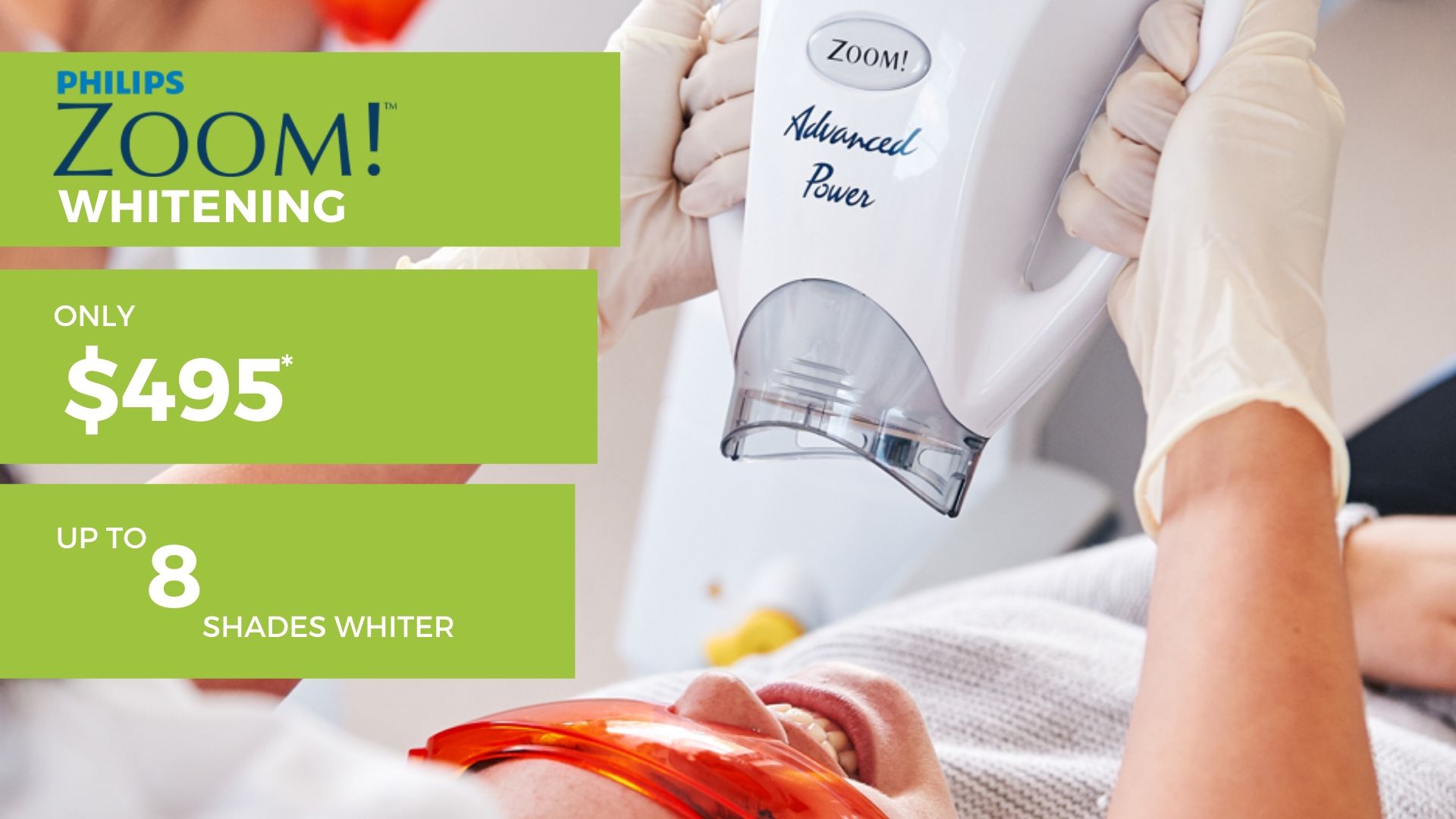
- Quicker tooth lightening can be accomplished through in-office bleaching because the products provide greater focus of peroxide than OTC.To offer lightening mouthwashes a boost, some people wash first and afterwards brush their teeth with a whitening toothpaste.Each approach restores teeth to a whiter shade, but specialist treatments are typically a lot more effective and much safer.Whitening gels, particularly those with high concentrations of peroxide, occasionally enter into contact with the periodontals, triggering light irritation or a temporary white appearance.Brand-new studies have shown that hostile tooth lightening can cause increased tooth level of sensitivity, adjustments in tooth microstructure, and repair adjustments.